Choosing a Corporate Gift: Wine, Champagne and Whisky
A practical guide to choosing wine, Champagne or whisky as client and staff gifts: budgeting, age checks, delivery, messaging and the UK tax position.
Written 19 October 2026

A bottle of something good remains one of the most considered ways to thank a client or a colleague. It is also easy to get wrong: the wrong style for the recipient, a gift that arrives when nobody can sign for it, or a tax assumption that does not hold. This guide sets out how to choose well, and what to settle before you order.
Start with the recipient, not the bottle
The useful question is what the person will enjoy and how they will use it. Three broad routes cover most corporate gifting.
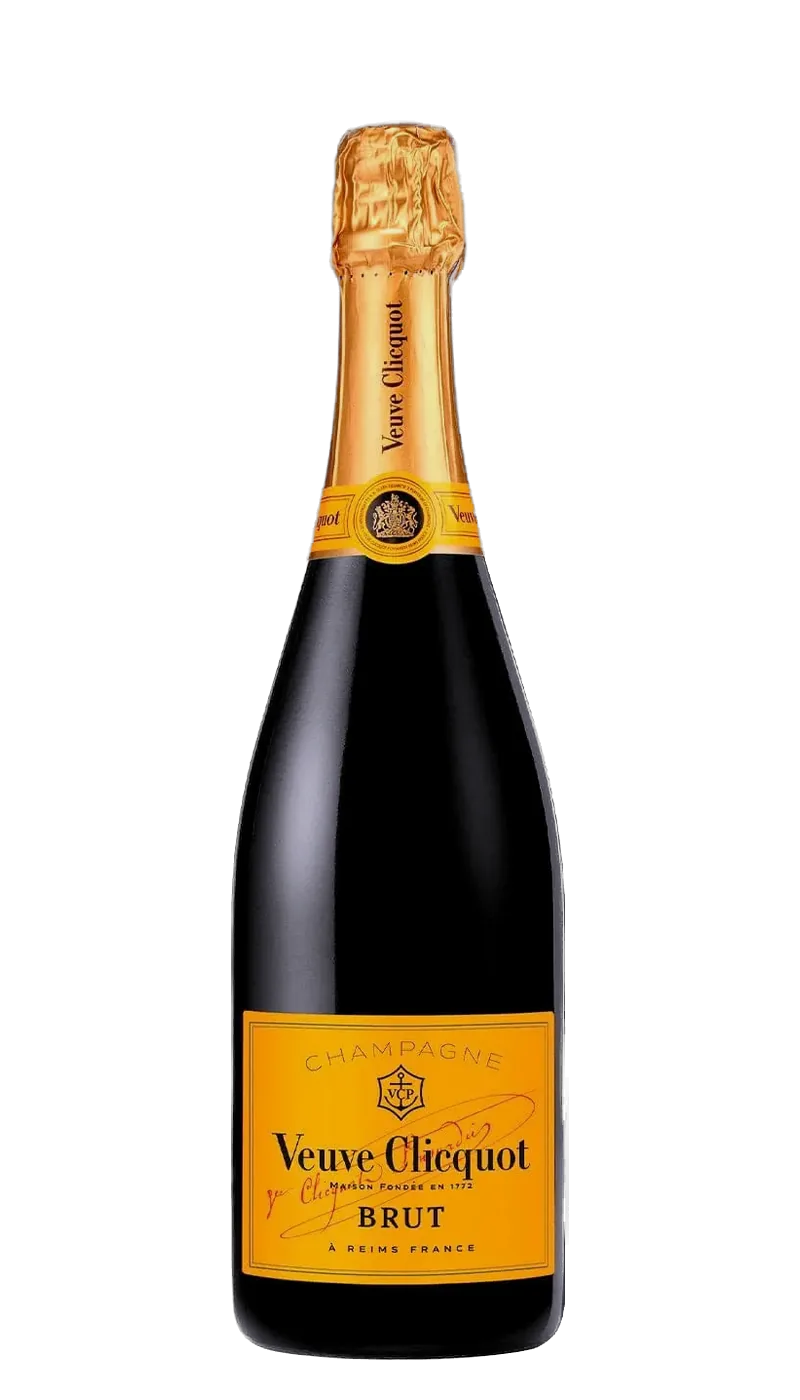
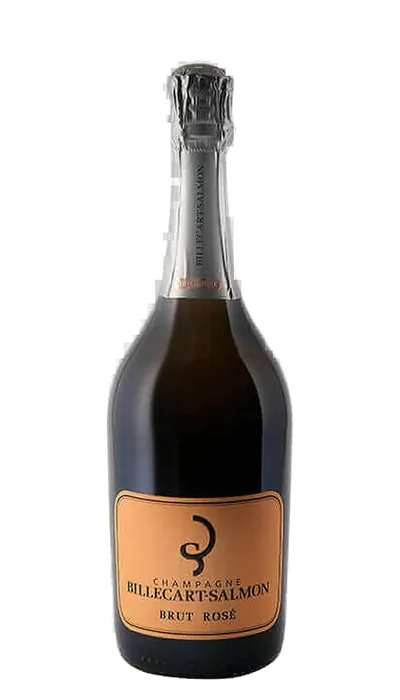
Champagne suits celebration and wide appeal. A non-vintage house Champagne such as Veuve Clicquot Brut Yellow Label is a recognisable choice for a broad client list, while a rose such as Billecart-Salmon Brut Rose feels a little more personal. Either is easy to give because it asks nothing of the recipient except a cold fridge.
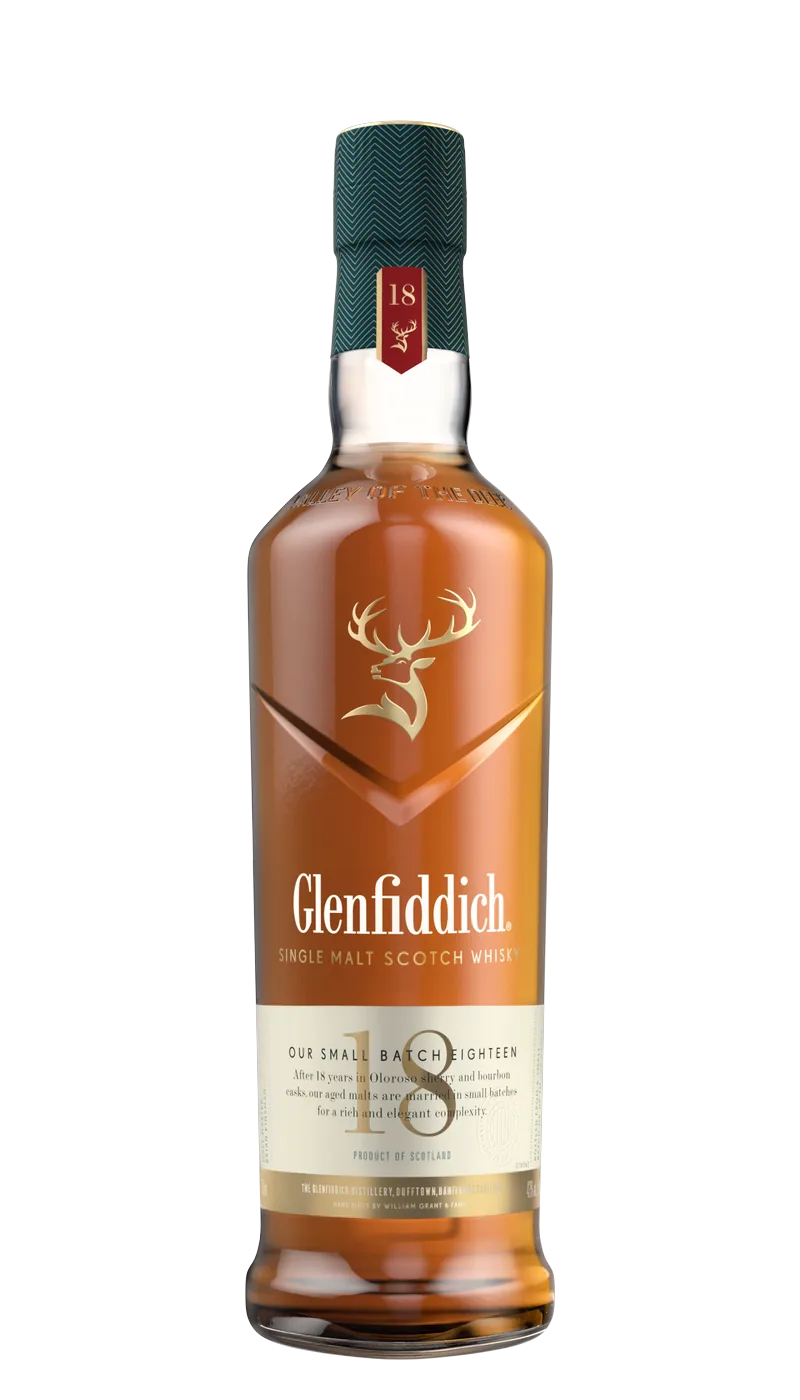
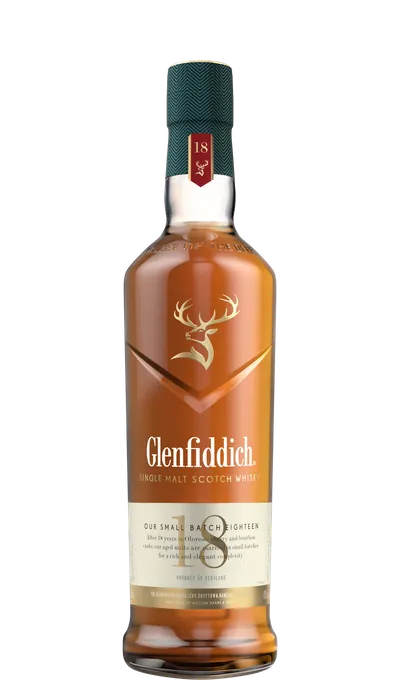
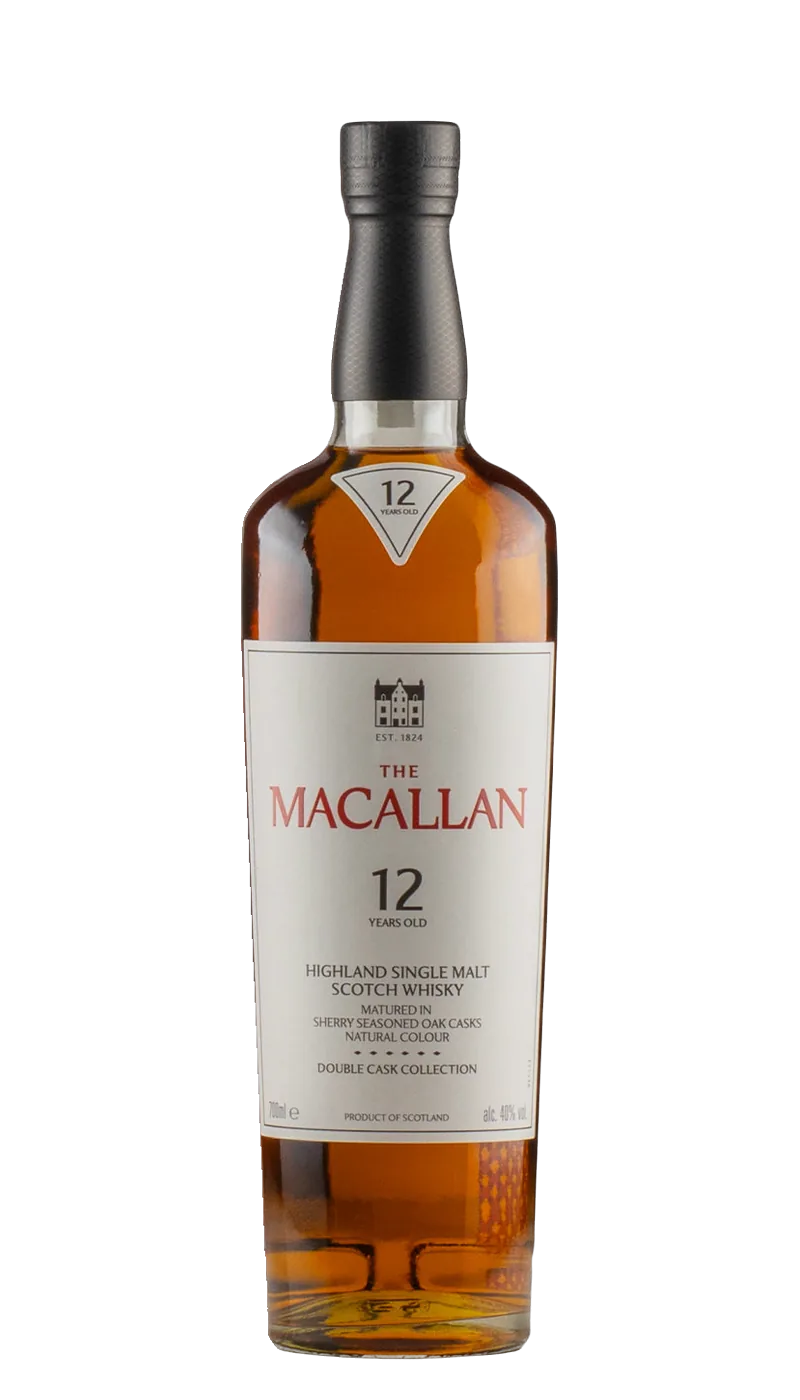
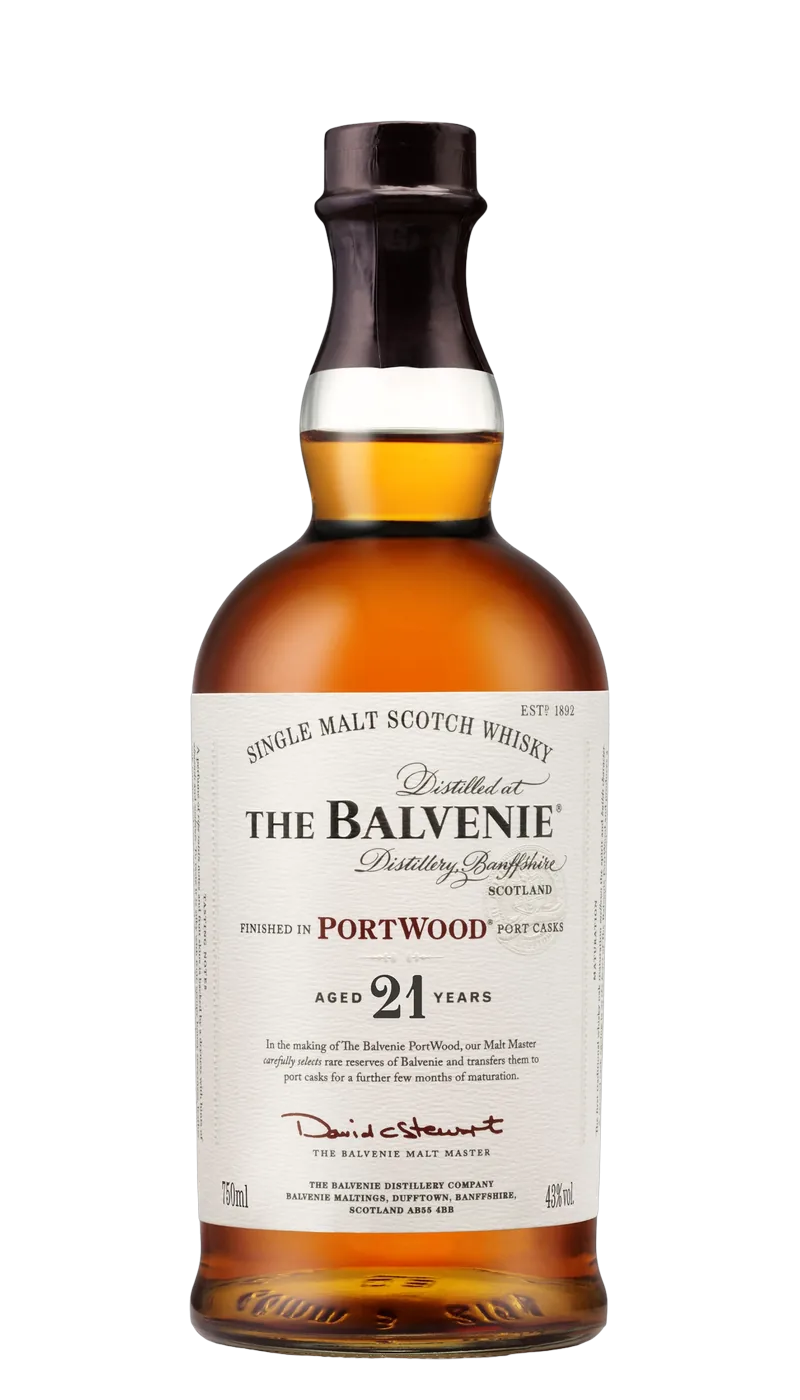
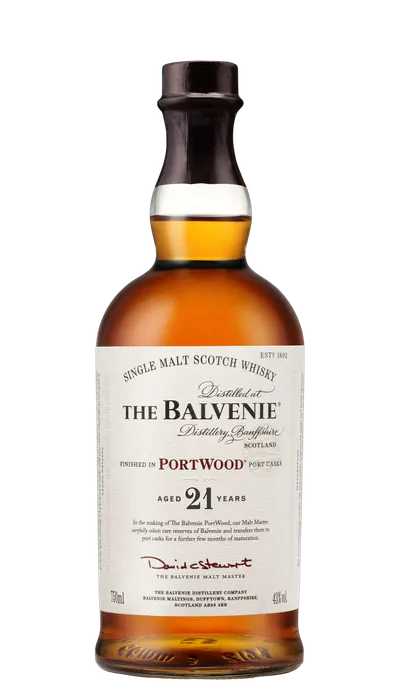
Whisky suits recipients you know to be drinkers of it, and it keeps well once opened. A single malt such as Glenfiddich 18 or Macallan 12 Double Cask is a considered, approachable gift. For a senior contact or a significant occasion, Balvenie 21 Portwood is the kind of bottle that signals care without ostentation.
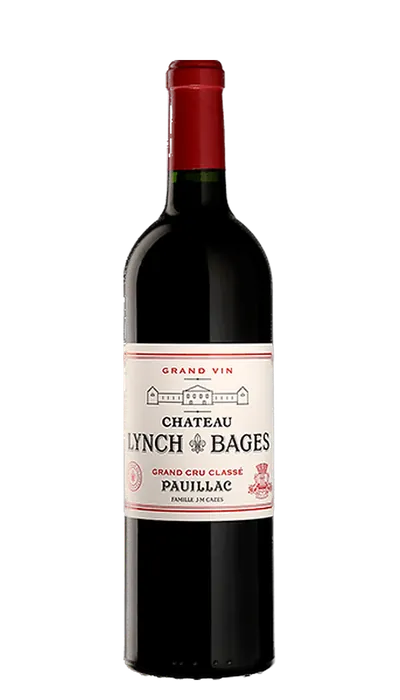
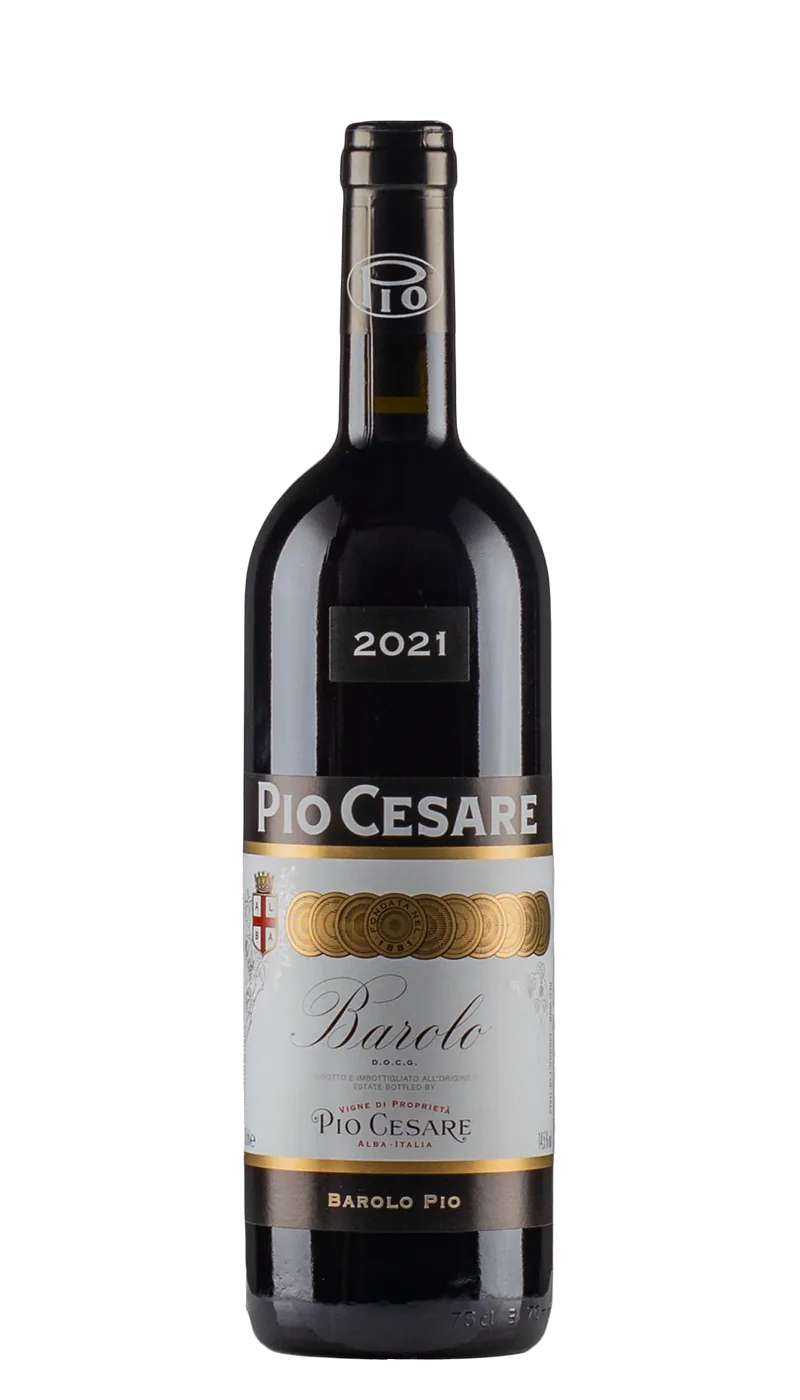
Wine suits the recipient who likes to cook, host or collect. Chateau Lynch-Bages is a Bordeaux for someone who will wait for the right dinner, and Pio Cesare Barolo is a good winter gift for someone who enjoys a structured red.
If you do not know the recipient's taste, Champagne is the safest choice. If you do know it, follow it.
Planning a budget per gift
Decide the budget per gift before you look at bottles, then build in a tier structure rather than a single price for everyone. A common approach is three tiers: a gift for the wider client list, a better one for key accounts, and a distinctive one for the handful of relationships that matter most. Staff gifts usually sit in their own band.
Allow for the extras as well as the bottle: a presentation box, a message card and carriage. Fixing a total for the whole programme first, and dividing it across tiers, prevents the usual problem of the final few gifts being chosen in a hurry.
Presentation, message cards and branding
Presentation does much of the work in a gift. Green Acres can discuss options such as a presentation box, a personal message and, where you wish, company messaging. Which of these are available for a given bottle or order is worth confirming when you ask, particularly for larger programmes.
A short, personal line usually reads better than a corporate slogan. Name the occasion or the work you are thanking them for, and keep your logo modest. A gift that looks like an advertisement tends to be received as one.
Age 18, delivery and who is there to receive it
Alcohol cannot be sold to anyone under 18. The government's guidance on age verification conditions states that they apply to companies that sell alcohol remotely, such as online or by mail order, and that photo ID should be shown at the point of delivery. The page is dated 2010, so treat it as background rather than the current rule.
In practice, this means a gift should go to an adult who will be present to accept it. Consider these points:
- Send to a workplace rather than a home where you can, but check the recipient is likely to be in.
- Do not send alcohol to anyone you have reason to think is under 18, including an apprentice or intern.
- Give a contact name and phone number for the courier.
- For a recipient who does not drink, an alternative is kinder than an awkward bottle.
Timing before Christmas
Gifts sent in the weeks before Christmas compete with every other business doing the same. Order early, settle the recipient list and delivery addresses first, and allow time for personalisation. If you want a message card or company messaging, say so at the start, as it is the part that most often delays an order.
The UK tax position
HMRC's guidance treats gifts to customers differently from gifts to staff. On gifts to customers, the Business Income Manual (BIM45070) says a gift qualifies for the exception for gifts carrying a conspicuous advertisement only if it is not "food, drink, tobacco or a token or voucher exchangeable for goods". In other words, a bottle of wine, Champagne or whisky given to a customer is not a deductible expense for tax purposes.
Staff are treated separately. BIM45074 states that "the cost of gifts provided to the employees of the trader is deductible from trading profits", subject to conditions: the gift should not also be given to outside recipients or be merely incidental to gifts for others. Separately, GOV.UK sets out rules for trivial benefits to employees, which must cost £50 or less, must not be cash or a cash voucher, and must not be a reward for work or performance or part of the terms of a contract.
This is general information, not tax advice. Please check with your accountant before you rely on any of it, as the right treatment depends on your business structure and on exactly who receives the gift.
Frequently asked questions
Is a bottle of wine or Champagne given to a client tax deductible?
HMRC guidance states that food and drink do not qualify for the exception for customer gifts that carry an advertisement. Please check with your accountant for your own circumstances.
Can I claim for gifts of alcohol to my staff?
HMRC says the cost of gifts to employees is generally deductible, subject to conditions, and trivial benefit rules may also apply. Your accountant can confirm which applies.
Does the recipient need to be 18 or over?
Yes. Alcohol cannot be sold to anyone under 18, and photo ID may be requested at delivery, so someone over 18 should be there to receive it.
Can I add a personal message or company branding?
Green Acres can discuss message cards, presentation boxes and optional company messaging. Please confirm the options for your chosen bottles when you enquire.
Which gift is safest if I do not know the recipient's taste?
A well-known non-vintage Champagne is the usual answer, since it suits most occasions and needs no explanation.