Macallan Sherry Oak vs Double Cask: Which Should You Choose?
How Macallan Sherry Oak and Double Cask differ in casks, colour and flavour, with guidance on age statements, gifting and which bottle suits the occasion.
Written 19 October 2026

Sherry Oak and Double Cask are the two Macallan ranges most often set side by side. Both are single malts matured in sherry-seasoned oak, and both carry age statements, yet they are built differently and taste differently. This guide explains where the difference comes from, so that you can choose the right bottle for yourself or for someone else.
How the two ranges are made
The difference begins with the oak. The Macallan describes its Sherry Oak 12 Years Old as matured predominantly in sherry-seasoned European oak casks, with the casks sourced from Jerez, in southern Spain. Independent reviewers describe the range in much the same terms: Tasting Table says it is led by sherry-seasoned European oak, and The Whiskey Wash describes the 12 Year Old as matured in European oak alone.
Double Cask takes a blended approach. The Macallan describes it as a combination of European and American oak casks, seasoned with sherry in Jerez de la Frontera. In other words, the sherry influence is present in both ranges. What changes is the balance of timber.
That matters because the two kinds of oak behave differently. Tasting Table says the American oak keeps Double Cask lighter, while the European oak brings richness and complexity to Sherry Oak. A malt that draws on both, as Double Cask does, tends to read softer. A malt drawn from European oak alone, as Sherry Oak is, tends to read deeper and richer.
Colour and flavour
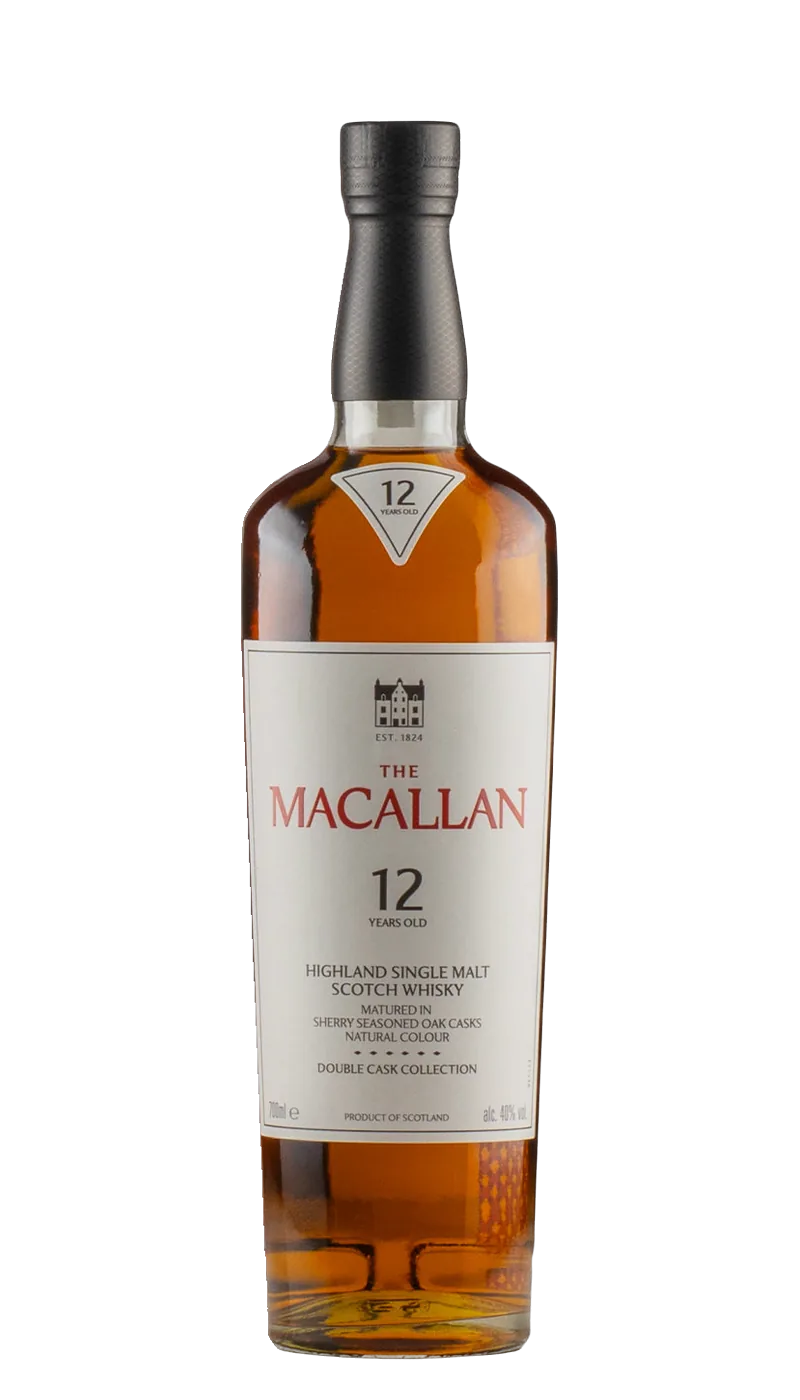
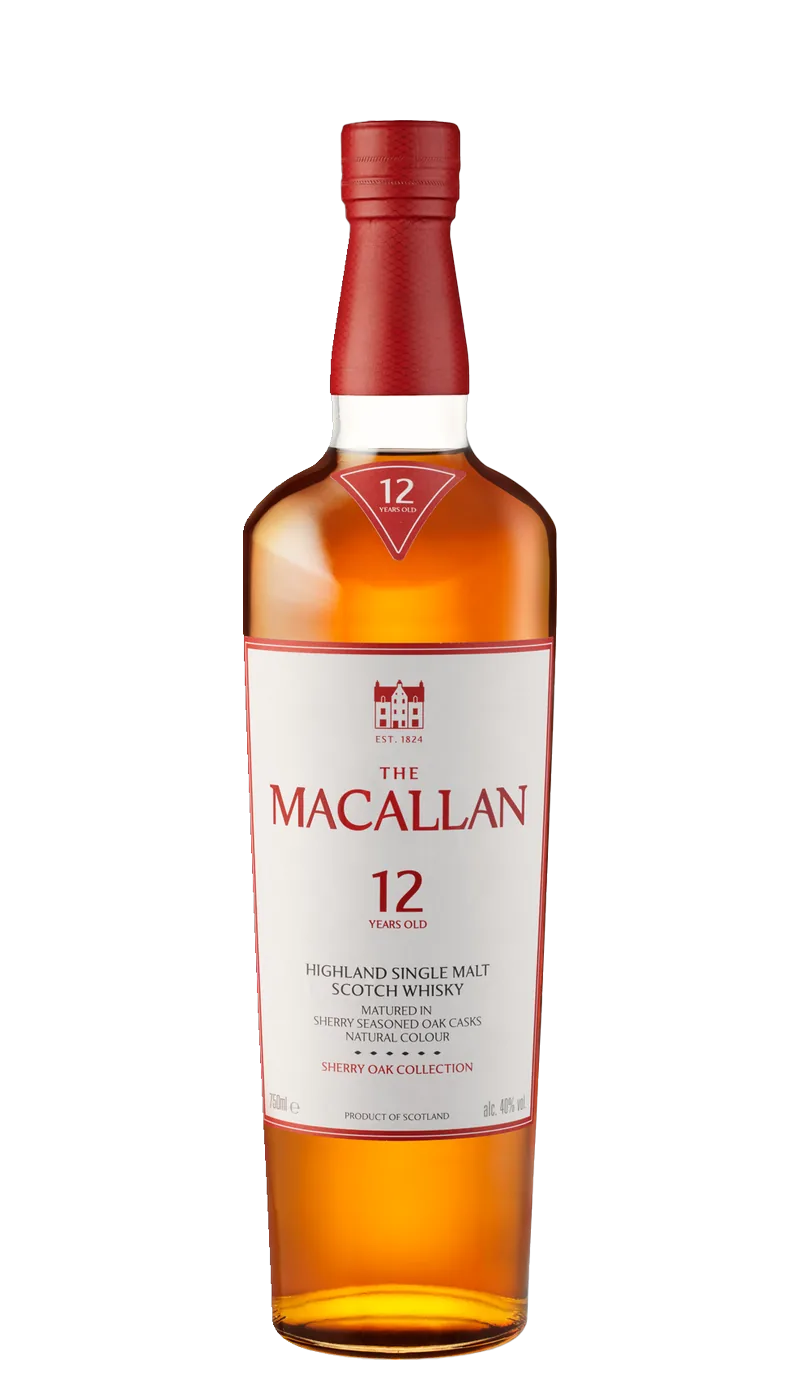
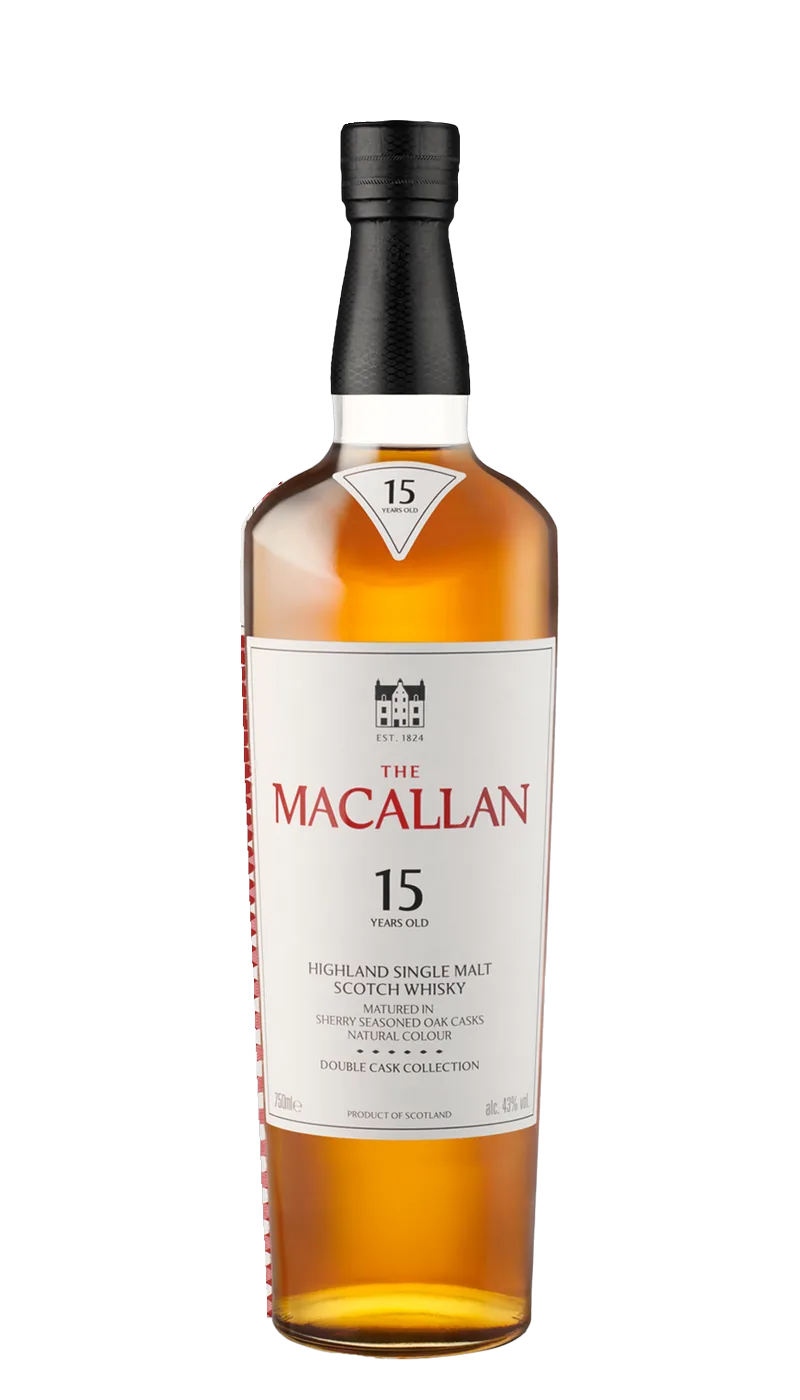
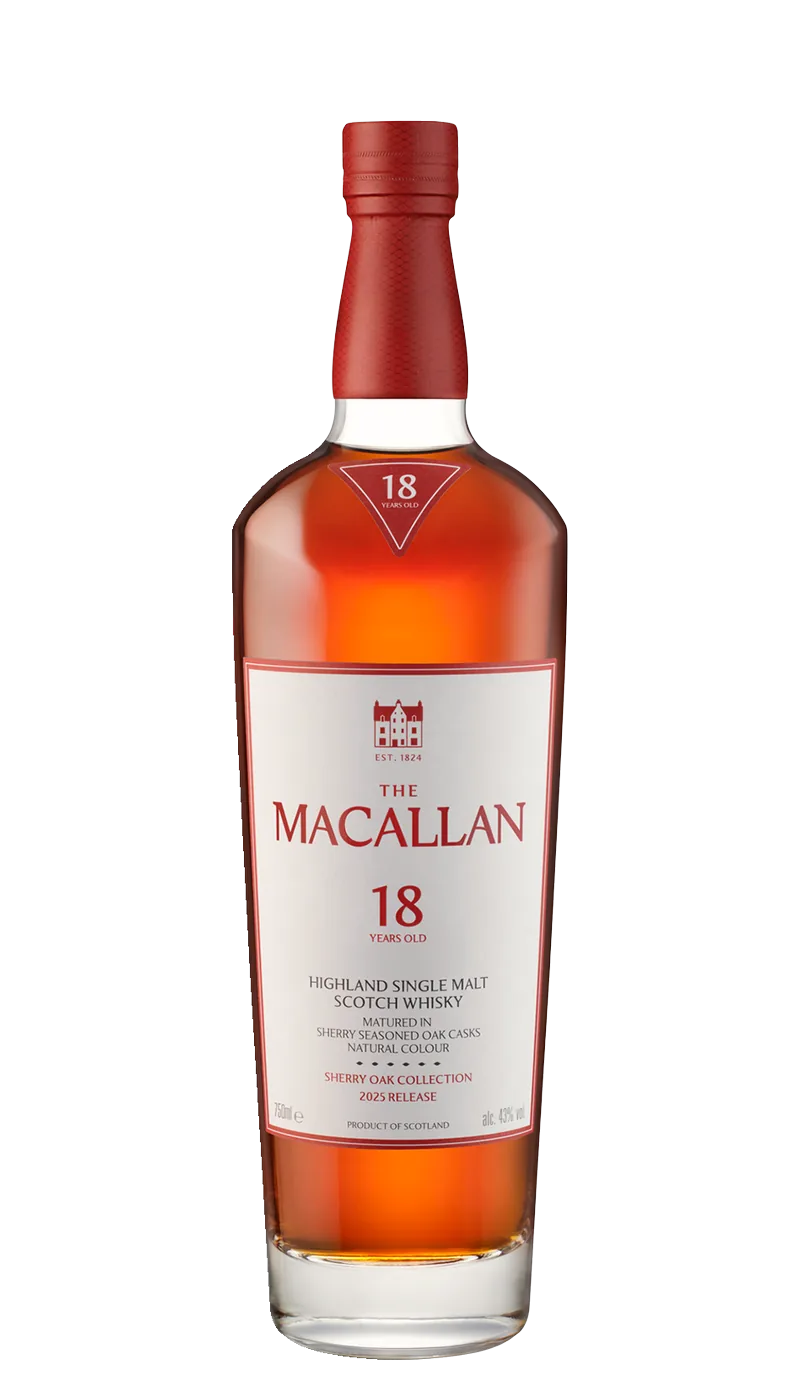
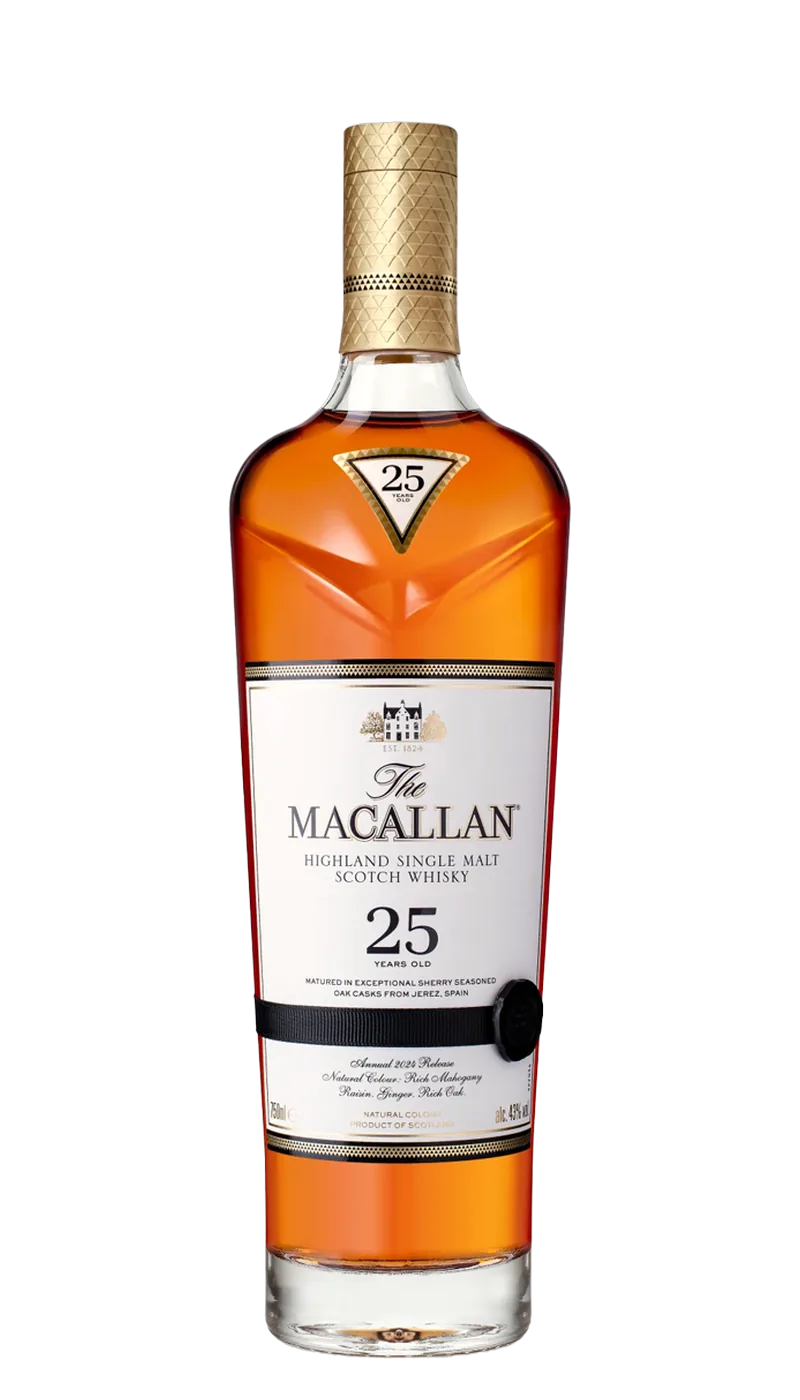
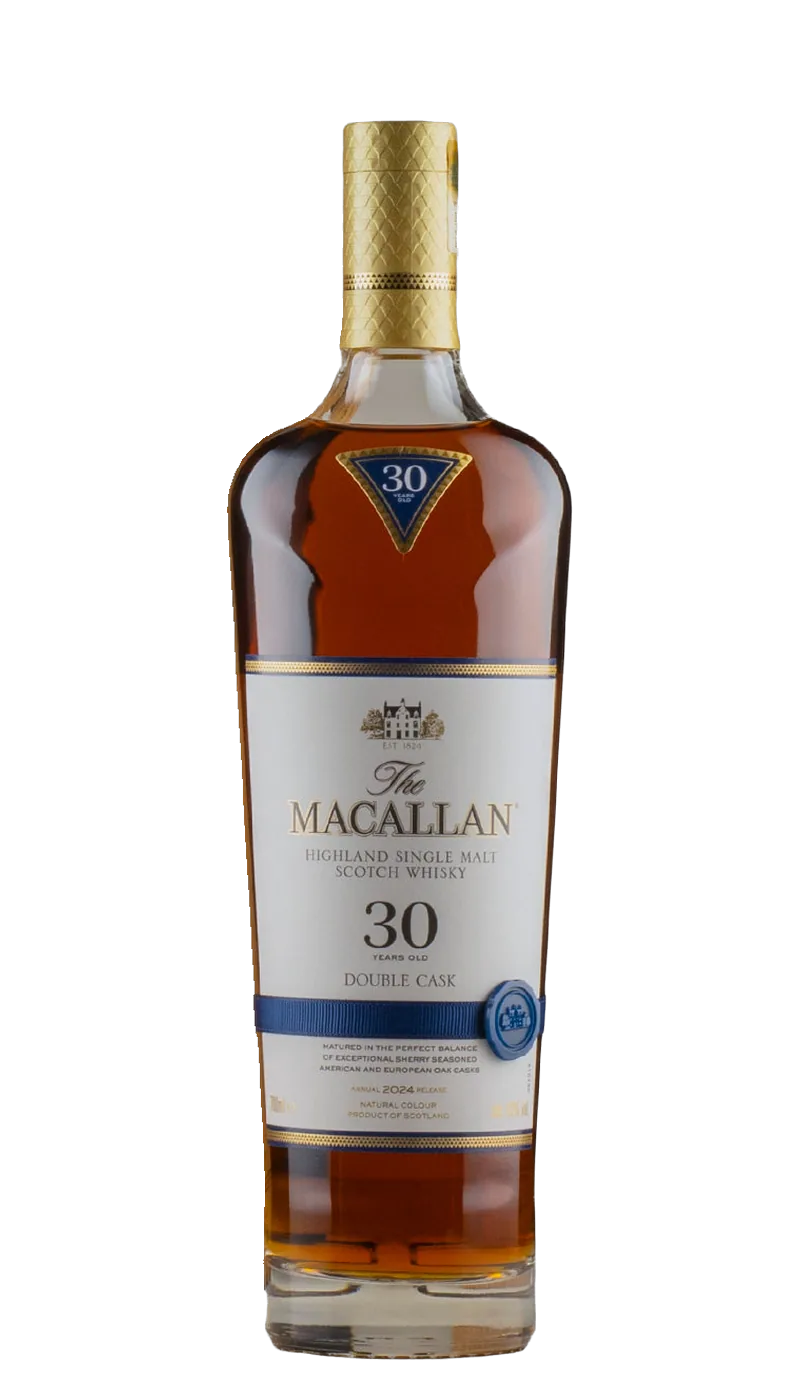
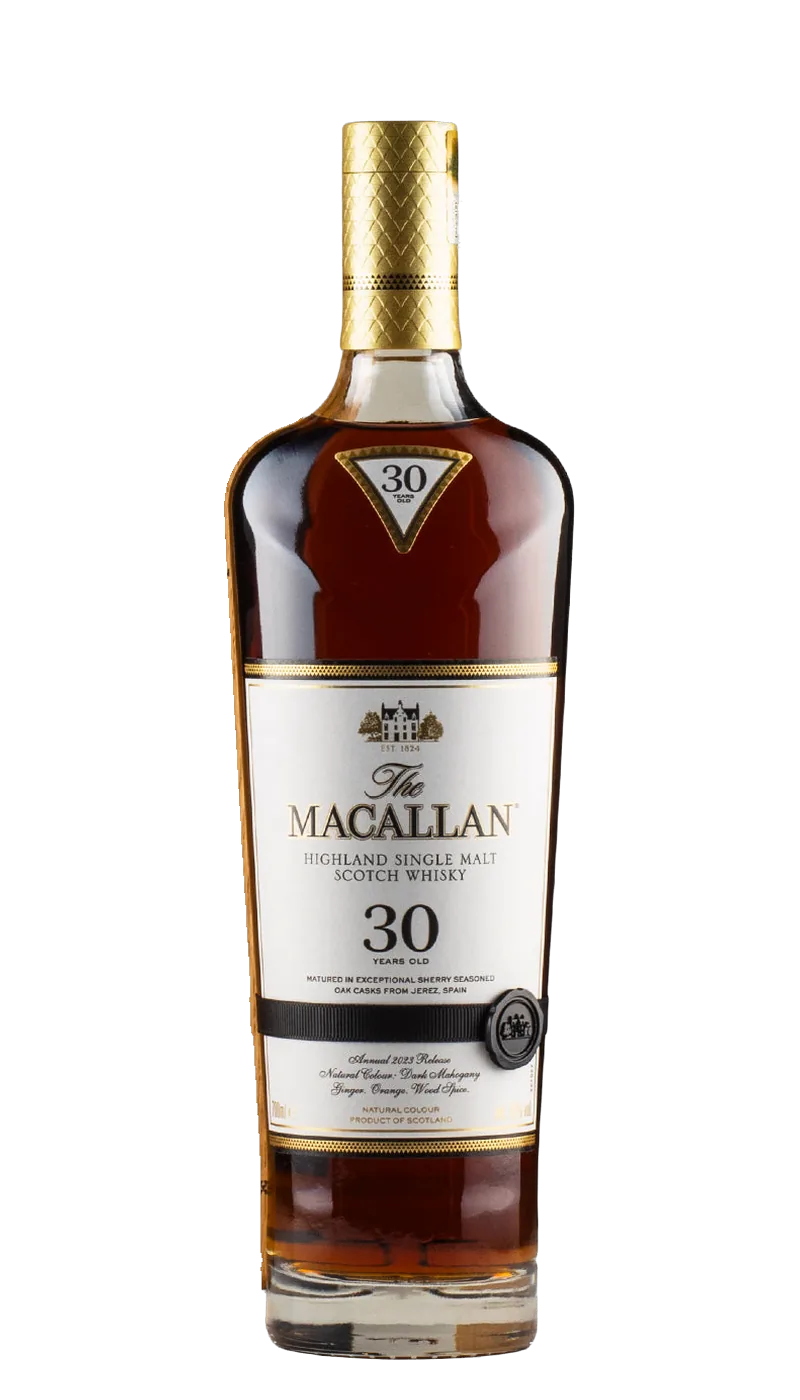
Colour is the quickest way to tell them apart in the glass. The Whiskey Wash describes the 12 Year Old Sherry Oak as a deep sherried red and the Double Cask as dark gold. The Macallan states that the colour of its 12 Years Old expressions is entirely natural, drawn from the oak, and the brand's product pages for both bottles carry that claim. We cite it as the brand's statement rather than as something we have tested.
On the palate, Tasting Table finds Double Cask smooth and creamy, leaning towards vanilla, citrus and toffee. Sherry Oak is described as darker and more concentrated, with dried and candied fruit, warm spice such as cinnamon, nutmeg and ginger, and oak. The Whiskey Wash makes the same distinction more bluntly: Double Cask is the lighter and sweeter of the two, while Sherry Oak is the classic, richer Macallan style. Tasting is personal, and both reviewers are expressing a view, but the direction of travel is consistent.
Strength and age statements
The Whiskey Wash lists both 12 Year Old bottlings at 40% ABV. Strengths can differ by expression and by market, and releases are updated from time to time, so the label on the bottle in front of you is the authority. We have not listed strengths for the older expressions here for that reason.
Age statements run across both ranges. In this guide's related selection, Sherry Oak is represented at 12, 18, 25 and 30 years, and Double Cask at 12, 15 and 30 years. The Macallan lists 18, 25 and 30 year old expressions within the Sherry Oak range on its own site.
An age statement is a guide to maturity, not a ranking of quality. Tasting Table finds the 18 Year Old Sherry Oak fuller, with a longer finish, and the 18 Year Old Double Cask richer in toffee, ginger and sultana. Even so, a 12 that suits your palate may please more than an older bottle that does not.
When to choose each
Choose Sherry Oak if you want the fuller, more traditional Macallan profile: dried fruit, spice and a long finish. It suits colder evenings, a quiet glass after dinner, and anyone who already enjoys sherried whisky. The red tones also make it a natural choice when the aim is a considered, characterful gift for an enthusiast.
Choose Double Cask if you want a softer, sweeter and more approachable dram. It suits a first single malt, a gift for someone who prefers gentler whisky, or a bottle to be shared among mixed tastes at a gathering.
For a milestone, the older age statements (18 and above) carry a sense of occasion on their own, in either style. Match the style to the recipient's palate first, then choose the age to suit the moment. If you are unsure about the palate, Double Cask is the gentler starting point; if you know they enjoy rich, sherried whisky, Sherry Oak is the safer choice.
Frequently asked questions
Is Sherry Oak better than Double Cask?
Neither is better in absolute terms. Sherry Oak is richer and more spiced, while Double Cask is lighter and sweeter, so the right choice depends on the palate of the person drinking it.
Are both made with sherry casks?
Yes. The Macallan describes both ranges as matured in sherry-seasoned oak. Sherry Oak is led by European oak, while Double Cask combines European and American oak.
Does The Macallan add colour to these whiskies?
The Macallan states that the colour of its 12 Years Old Sherry Oak and Double Cask is entirely natural, taken from the oak. Check the brand's current product information for any other expression.
Which is the better gift?
For someone new to single malt, Double Cask is the gentler choice. For a confirmed lover of rich, sherried whisky, Sherry Oak is more likely to please.
Does an older age statement always mean a better whisky?
No. It means the youngest whisky in the bottle has matured for at least that many years. Older bottles tend to be deeper and more complex, but the style should still suit the drinker.