Champagne for Weddings: How Much to Buy and What to Choose
How much Champagne to order for a wedding toast or all evening, which style to pick, bottle sizes, serving temperature, glassware and storage, explained.
Written 19 October 2026

Champagne is the wine most couples reach for when a room needs to raise a glass together. The decisions that follow are practical ones: how much, which style, which bottle size, and how to serve it properly on the day. This guide takes them in turn.
What Champagne actually means
Champagne is a protected name, not a general description of sparkling wine. The Comite Champagne explains that it is an Appellation d'Origine Controlee, an area of production bound to a defined place and strict specifications, and the Comite works to defend the designation worldwide. Its appellation fact sheet lists a strictly defined area, second fermentation in the bottle (the prise de mousse) and minimum cellar ageing of 15 months for non-vintage and 36 months for vintage wines. The Champagne FAQ describes this as bottle fermentation, the method also known as the Methode Champenoise.
Other regions make sparkling wine in comparable ways under their own names, which is why the alternatives below are worth knowing.
How many glasses in a bottle
The Comite Champagne states that a 75cl bottle can serve an average of six 12.5cl flutes, depending on glass size. Use six as your working figure for a full pour, and note that a toast pour is often smaller than a full flute.
How much to order per guest
This is simple arithmetic built on that figure of six, not a rule from any source.
- A toast only: one glass per guest means roughly one bottle for every six guests. Round up, because glasses are rarely poured evenly and some guests will want a second.
- A drinks reception plus the toast: plan on two to three glasses per guest, which is roughly one bottle between two or three guests at six glasses a bottle.
- Champagne all evening: plan on a half-bottle or more per guest and be honest about how much of the room will drink it. Many couples serve Champagne for the reception and toast, then move to wine with the meal.
For 100 guests, a toast alone comes to about 17 bottles; a reception plus a toast is closer to 35 to 50. Buy a little over, and keep any unopened surplus in good storage afterwards.
Choosing a style
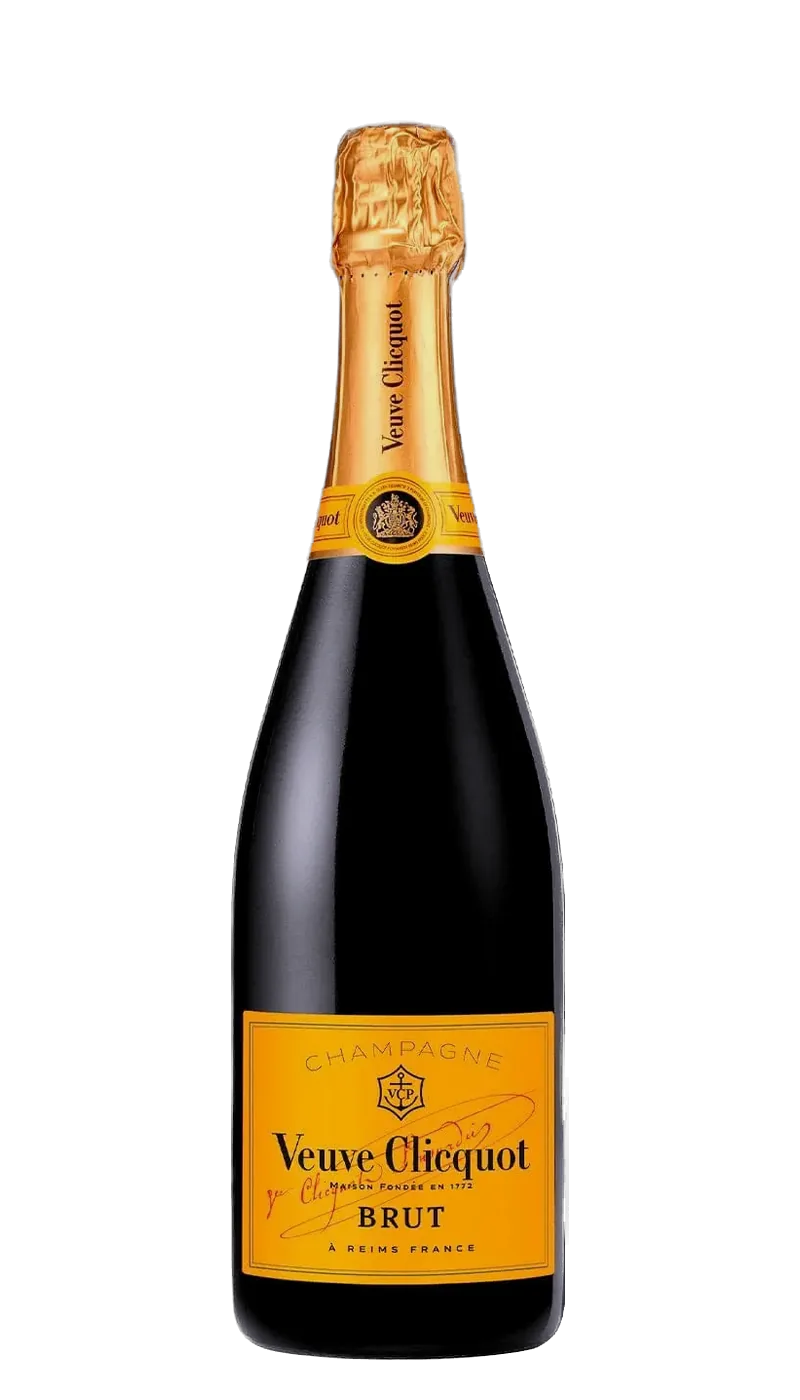
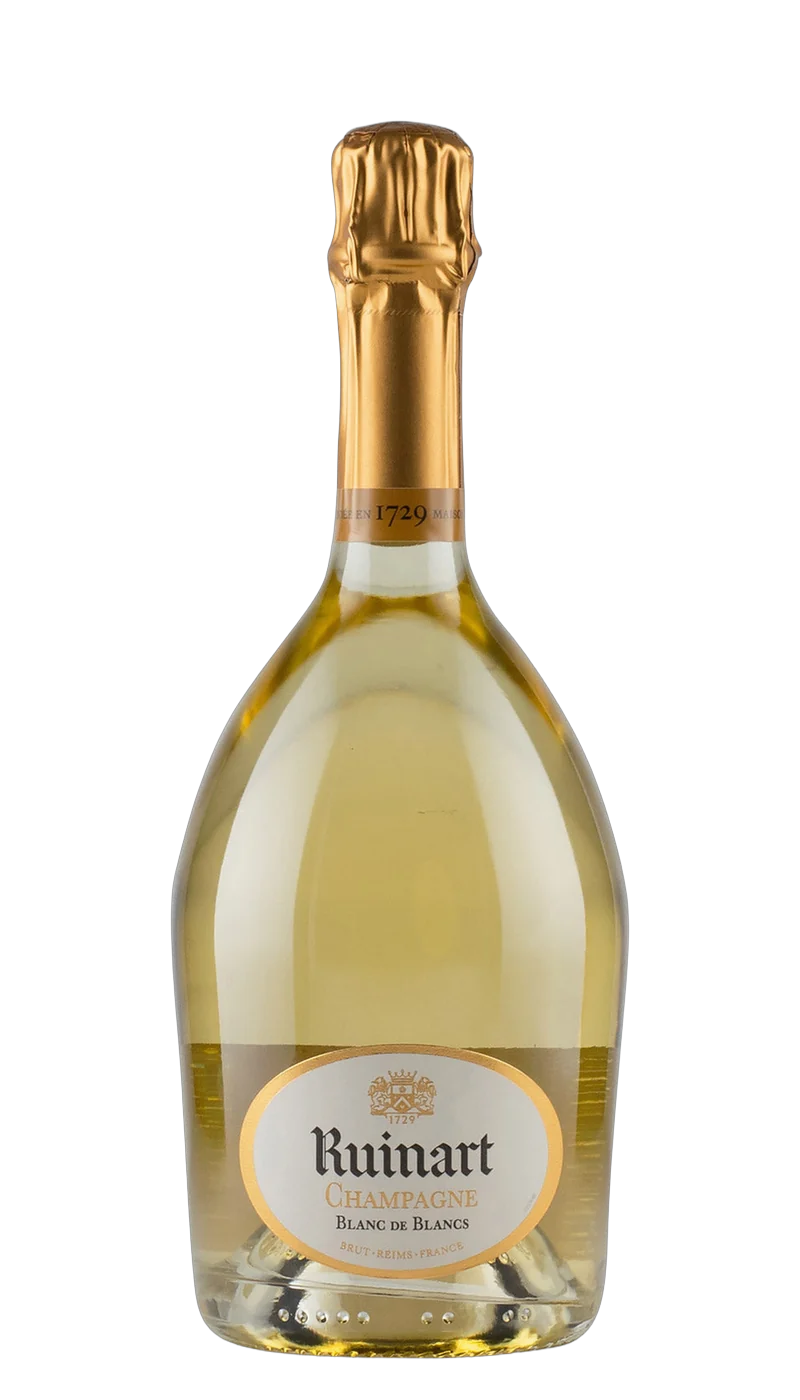
Non-vintage brut is the dependable core of a wedding order. Veuve Clicquot Brut Yellow Label is a familiar house style that guests recognise and enjoy.
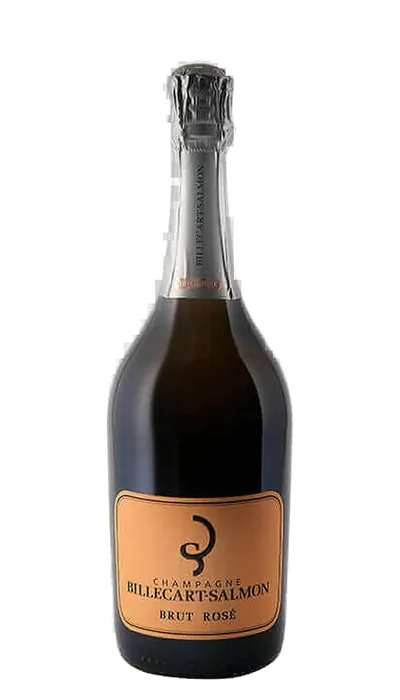
Rose adds colour to the table and suits summer or an afternoon reception. Billecart-Salmon Brut Rosé is a refined option, as is Laurent-Perrier Cuvée Rosé.
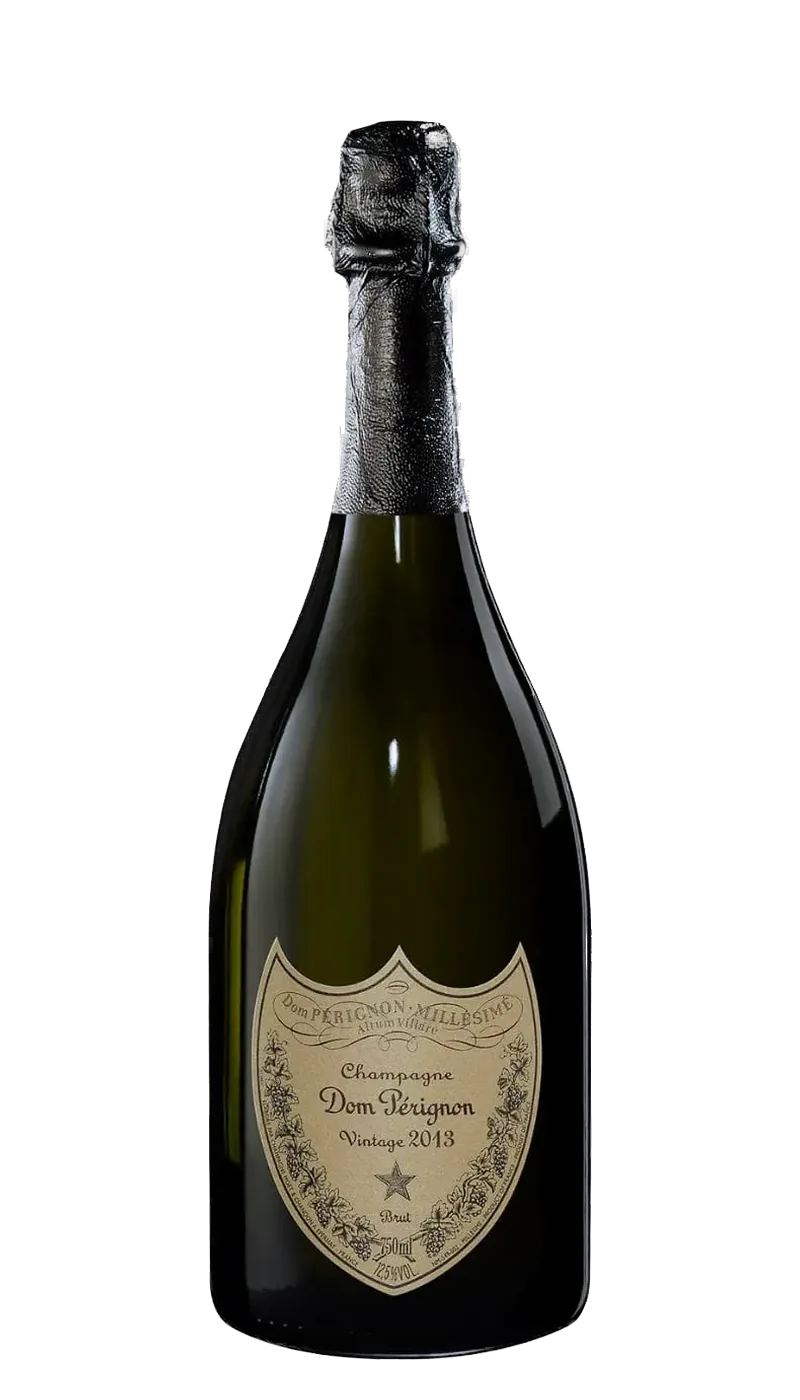
Vintage Champagne is made from a single declared year and rewards a slower sip, so it suits a smaller group or a top table. Dom Pérignon Brut 2015 is one to consider.
Prestige cuvees are for the toast that matters most. Krug Grande Cuvée and Louis Roederer Cristal are obvious choices for a headline bottle, perhaps for the couple and parents rather than the whole room.
Alternatives make sense when the guest list is large. Other sparkling wines, such as English sparkling wine, Franciacorta or Crémant, are different wines from different places, and some couples choose them for the larger part of the order. We list Champagne only, so ask us if you would like to talk it through.
A sensible mix is a non-vintage Champagne for the main pour, with a small number of special bottles for the toast itself.
Bottle formats
The standard Champagne bottle holds 75cl. Tanners' bottle-size table gives the larger formats as follows:
- Magnum: 1.5 litres, equal to two standard bottles.
- Jeroboam (Champagne): 3 litres, equal to four bottles.
- Salmanazar: 9 litres, equal to twelve bottles.
- Balthazar: 12 litres, equal to sixteen bottles.
Magnums are the practical choice for a wedding. They look generous on a table, and the Comite Champagne notes they are fairly common. Larger formats are better as display or a single dramatic pour than as a working supply.
Serving temperature and chilling
The Comite Champagne recommends serving between 8 and 10 degrees Celsius. To chill a bottle, it suggests an ice bucket half water and half ice for 30 minutes, or the bottom of the fridge a few hours before opening. Another account from the Bureau du Champagne's director suggests about three hours in the lower part of the fridge, or about twenty minutes in a bucket of ice, water and salt. Plan chilling the day before for a large order, and do not chill the glasses.
Glassware
The coupe lets bubbles and aromas escape quickly, according to the Comite Champagne, and a flute can be too narrow for aromas to develop fully. Its advice is for a fairly tall, tulip-shaped glass. The Bureau du Champagne article likewise prefers a tulip-shaped flute and suggests filling each glass about two-thirds full. If your venue only has standard flutes, they will do the job; a tulip or white-wine glass will show more of the wine.
Storage before the day
The Comite Champagne recommends keeping bottles in a dark space free of odours, ideally a cellar at 10 to 15 degrees Celsius with 60 to 80 per cent humidity. It says the fridge is not the best place for long-term storage. Keep the order somewhere cool and still until the day before the wedding, then chill.
Frequently asked questions
How many glasses does a bottle of Champagne pour?
The Comite Champagne says a 75cl bottle serves an average of six 12.5cl flutes, depending on the glass.
How much Champagne do I need for a toast?
At one glass each, about one bottle for every six guests, rounded up.
Is a flute or a tulip glass better for Champagne?
The Comite Champagne recommends a fairly tall, tulip-shaped glass over a coupe or a very narrow flute.
What temperature should Champagne be served at?
Between 8 and 10 degrees Celsius, according to the Comite Champagne.
Is sparkling wine from elsewhere the same as Champagne?
No. Champagne is a protected appellation. Franciacorta, Cremant de Loire and English sparkling wine are separate wines with their own names, though Michelin notes Franciacorta is made with bottle fermentation like Champagne.